Best time to visit — month‑by‑month guide for Miami weather and crowds
Best months to visit JW Marriott Marquis Miami are March and April for the driest, most comfortable weather and a full events calendar; November–April is Miami’s dry season with lower humidity and mild temperatures. Expect hot, humid weather with frequent afternoon storms from May through October and higher hurricane risk August–October—September and October often have the lowest hotel rates but require watching forecasts.
In this guide
- Overview: Miami seasons at a glance
- January–February: mild, quieter winter weeks
- March–April: best weather and full event calendar
- May–July: early wet season and peak summer heat
- August–October: hurricane season peak and best deals
- Choosing rooms and planning around hotel features
- Practical tips: crowds, transport, and timing
Overview: Miami seasons at a glance
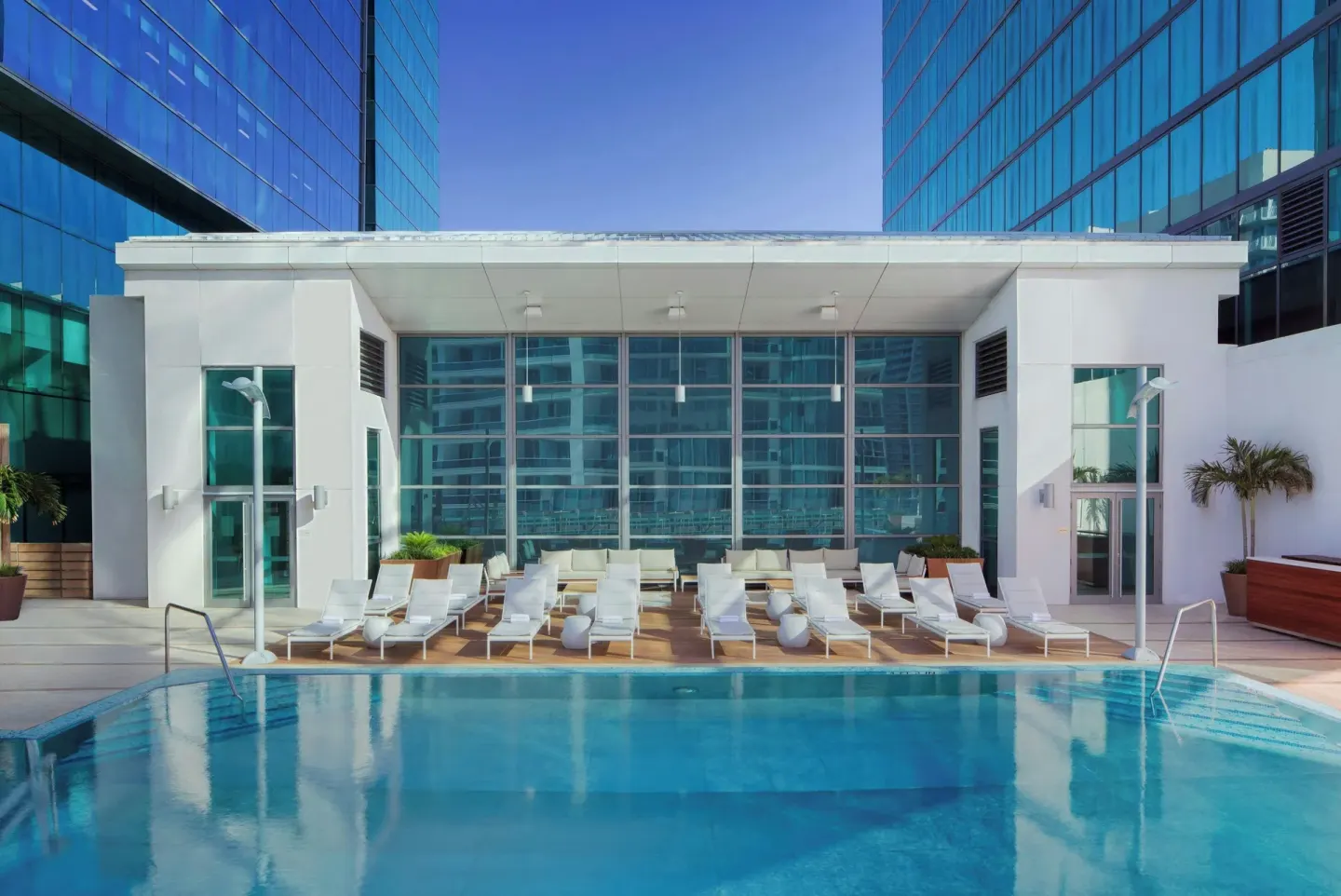
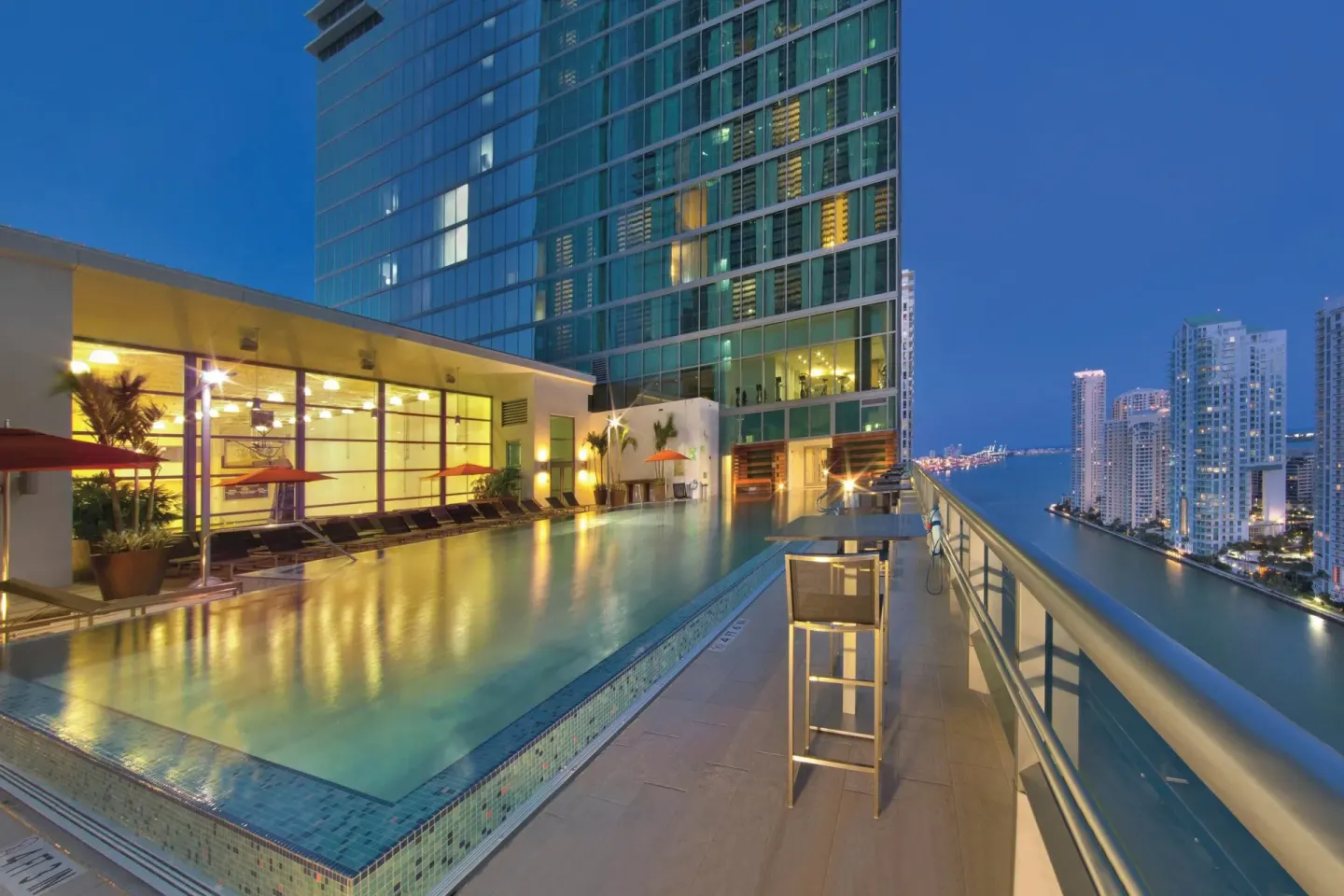
Miami’s year breaks into a dry season (roughly November–April) and a wet, hot season (roughly May–October). The hotel sits in Downtown Miami’s Financial District, so beach access requires a short drive; the rooftop pool faces the city and Biscayne Bay on the 19th floor.
Travel considerations at JW Marriott Marquis Miami are driven by weather and event calendars: dry-season months bring more visitors and conferences, while the wet season brings heat, humidity, afternoon thunderstorms, and the Atlantic hurricane season.
- Dry season: November–April — mild temps, lower humidity, peak visitor season
- Wet season: May–October — hot, humid, daily afternoon storms likely
- Hurricane season: June 1–November 30, peak risk mid‑August to mid‑October
| Season | Typical conditions | What to expect at the hotel |
|---|---|---|
| November–April | Mild, lower humidity, less rain | Easier rooftop pool time, more events and higher occupancy |
| May–October | Hot, humid, frequent afternoon storms | Afternoon indoor activities (spa, MET2 Fitness, indoor basketball) often preferred |
| June 1–Nov 30 | Atlantic hurricane season | Monitor forecasts; travel insurance recommended for wet-season stays |

January–February: mild, quieter winter weeks
January is Miami’s coolest month with comfortable daytime highs and low rainfall, which makes walking to Bayfront Park or Bayside Marketplace pleasant. These months see fewer beach crowds than spring but steady downtown business travel and some cultural events.
If you prefer cooler, less humid weather and earlier hotel availability, consider January or February. Weekdays can be busy with conventions; weekend leisure crowds are generally lower than March–April.
- Weather: mild days, cool nights; low rainfall
- Crowds: moderate — business-centered weekdays, lighter leisure weekends
- Activities: museum visits, short drives to South Beach or Vizcaya
| Month | Weather note | Crowd/price |
|---|---|---|
| January | Coolest month, lowest rain | Moderate crowds, steady business travel |
| February | Mild, slightly warmer than Jan | Similar to January; some event-driven busy dates |

March–April: best weather and full event calendar
March and April are widely cited as the best months to visit Miami: warm, dry weather with lower humidity and many public events. These months are popular with both leisure and business travelers, so hotel occupancy and local restaurant demand increase.
If you want a quieter stay at JW Marriott Marquis Miami yet still enjoy excellent weather, avoid the peak spring-break week(s). Book in advance for preferred rooms such as Room, City View or an Executive Room (Concierge Lounge Access) if you want lounge benefits.
- Weather: warm, dry, comfortable for city and short beach trips
- Crowds: higher — plan and reserve restaurants (Boulud Sud Miami) and spa slots early
- Tip: book Concierge Level rooms or Executive Room (Concierge Lounge Access) early for lounge access during busy periods
| Month | Why go | Booking tip |
|---|---|---|
| March | Dry, lots of events | Reserve restaurants and spa early |
| April | Warm and dry, good for outdoor plans | Avoid spring-break peak weeks if seeking quieter stay |

May–July: early wet season and peak summer heat
May starts Miami’s wet season with rising humidity and more frequent afternoon thunderstorms; temperatures climb through June and July into the low 90s (average highs near 91°F in July/August). Pool hours and sun on the 19th‑floor sundeck are still usable, but storms and cloud cover are common in afternoons.
Summer brings a mix of leisure travelers and families; downtown hotel demand can also be driven by conventions or sporting events. Indoor amenities at the hotel — MET2 Fitness, Enliven Spa & Salon, the NBA-approved basketball court, and virtual bowling — make good alternatives on stormy afternoons.
- Weather: hot, humid; daily afternoon storms more likely
- Crowds: variable — family travel and some event-driven demand
- Amenities: use the 345 Executive Lounge if you have Concierge access, or plan indoor activities during storms
| Month | Weather | Crowd/price |
|---|---|---|
| May | Humidity rising, more showers | Moderate — mixed business/leisure |
| June | Hotter, regular afternoon storms | Variable — summer travel begins |
| July | Hottest month, high humidity | Steady leisure travel; pool popular in mornings |
August–October: hurricane season peak and best deals
Hurricane season runs June 1–November 30, with statistical peak around early-to-mid September and higher storm risk mid‑August through mid‑October. September and October are often the most affordable months for hotels and flights, but travelers should monitor tropical forecasts and consider flexible plans or travel insurance.
If you travel in this window, pick refundable rates where possible and check both the hotel’s notices and official weather updates. The downtown location means many hotel amenities (spa, MET2 Fitness, restaurants) remain usable if outdoor plans are disrupted.
- Best for budgets: September–October typically have lower room rates
- Risk: higher Atlantic tropical activity — monitor forecasts and insurance options
- Practical tip: keep arrival/departure flexibility and confirm pool/renovation schedules before travel
| Month | Why travelers pick it | Consideration |
|---|---|---|
| August | Hot, start of peak hurricane risk | Watch forecasts; indoor alternatives available |
| September | Cheapest room rates usually | Higher hurricane risk — track advisories |
| October | Rates still lower, wet-season waning | Risk declines later in October but remains present |
Choosing rooms and planning around hotel features
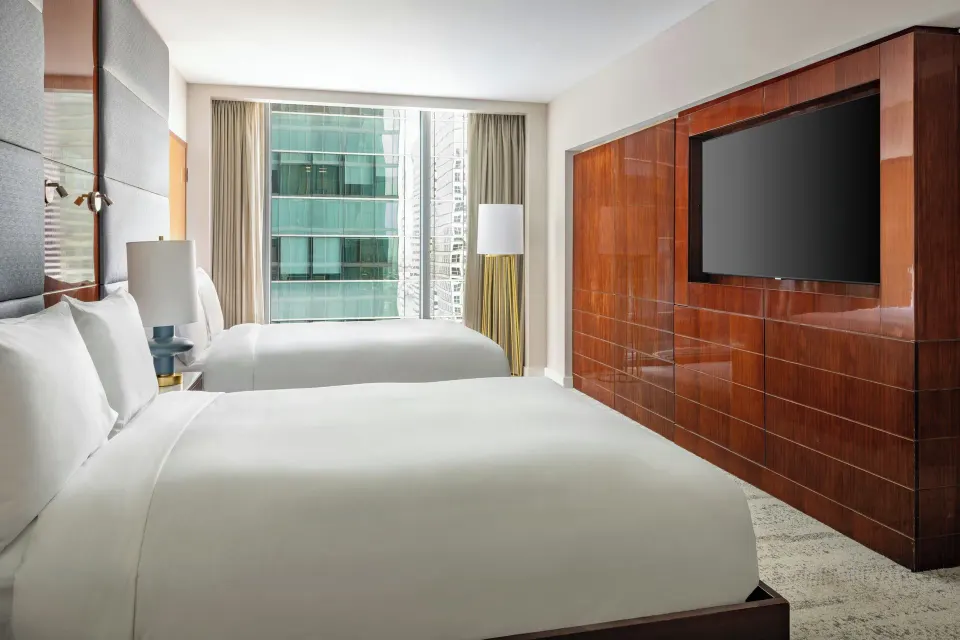
Rooms vary by view and benefits: examples include Room, City View; Executive Room (Concierge Lounge Access); Junior Suite, 1 Bedroom, City View — choose Concierge/Executive Room options for 345 Executive Lounge access when you want quieter breakfasts and evening refreshments. The property has 313 guest rooms and 56 suites, so room availability can fill quickly during peak event weeks.
Plan spa (Enliven Spa & Salon) and rooftop pool time in the morning or late afternoon to avoid routine afternoon storms; note the spa requires guests to be 18 or older for treatments. Also confirm pool hours in advance — temporary or renovation schedules have affected pool access in past listings.
- Rooms to consider: Room, City View; Executive Room (Concierge Lounge Access); Junior Suite, 1 Bedroom, City View
- Book spa and Boulud Sud Miami reservations early during busy months
- Confirm current rooftop pool hours and any renovation notices before arrival
| Need | Recommended room or action |
|---|---|
| Quiet breakfasts and lounge access | Executive Room (Concierge Lounge Access) |
| More space or views | Junior Suite, 1 Bedroom, City View |
| Close-to-amenities and city views | Room, City View |
Practical tips: crowds, transport, and timing
Downtown Miami is well connected: the free Metromover serves downtown/Brickell and runs frequently; Miami International Airport (MIA) is about an 8‑mile drive and reachable by Metrorail via Government Center. Bayside Marketplace, Bayfront Park, and the James L. Knight Center are all short walks from the hotel.
For crowds and pricing: book March–April early for events and better room selection; choose September–October for lower rates but add flexible plans because of hurricane season. If you need parking, the hotel uses valet-only parking; confirm current daily valet rates at check-in.
- Use Metromover for short downtown trips (free)
- MIA to downtown: ~8 miles; public transit via Metrorail is available
- Valet-only parking — confirm current rates at the front desk
| When to go | Best approach |
|---|---|
| Peak dry season (Mar–Apr) | Book early; reserve dining and spa |
| Wet season (May–Oct) | Plan indoor options for storms; monitor weather |
| Hurricane window (Aug–Oct) | Buy flexible fares or insurance; track advisories |